|
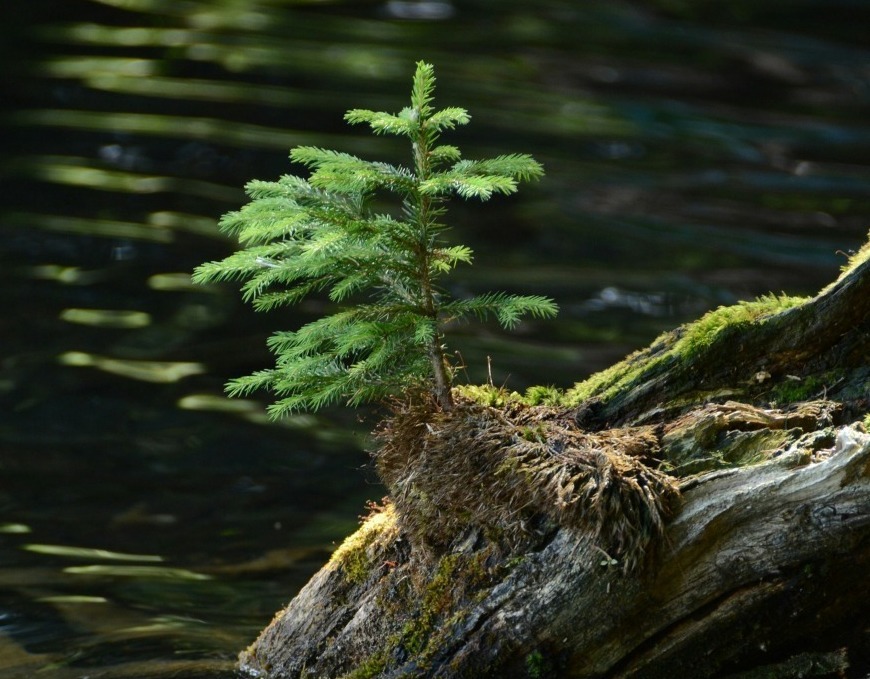
Healthy systems are often connected in ways we cannot immediately see
Hi Barb,
Recently, I was reading about how trees in a forest are connected underground through vast networks of roots and fungi—quietly sharing water, nutrients, and even warning signals.
Older trees support younger ones. Signals move through the system. Support isn’t always dramatic, but it matters. Stressed trees receive extra resources. And the whole forest becomes more resilient because of these unseen connections.
In other words, the “wood wide web” isn’t just a collection of individual trees—it’s a living, connected system.
Human groups work that way too. But most of us don’t think about our professional relationships that way.
We often treat collaboration as something visible and transactional: who we know, who we should reach out to, what meeting we’re attending, what opportunity we might gain.
But strong human networks, like healthy forests, are built by what happens beneath the surface—trust, generosity, noticing, support, and repeated small acts of connection.
That has me wondering:
What if collaboration works best when we consciously strengthen the conditions that help people thrive?
The strongest collaborators are often not the loudest or the most visible. They’re the ones who notice what’s needed, offer what they can, and help others stay connected to the whole.
That kind of collaboration doesn’t just make a group feel better. It makes the whole system stronger.
How might you strengthen your network today?
Warmly,

Barb Bickford
Science Networking Online
-- Wednesday, April 15, 2026 | 2 pm PT / 4 pm CT / 5 pm ET | Online (Zoom) | no cost
If you're a scientist, you may know that networking can lead to jobs and interesting collaborations. But you might not have time to go to in-person networking events. SNO is an easy way to gain friends and experience being in a generous network. Sign up here for this and all future sessions.
Geologic Networking Online
-- Tuesday, April 14, 2026 | 10 am PT / 12 pm CT / 1 pm ET | Online (Zoom) | no cost
And if you're a geologist, you can network with this event sponsored by American Institute of Professional Geologists (AIPG). This webinar is open to members and non-members. Register here for the April 14th session.
Transitions and New Beginnings Retreat -- Last call!
-- April 10–12, 2026 | Marathon, Wisconsin (in residence) | $260
Are you going through a life transition, such as a job change, retirement, new relationship or just an inner change of direction? Join us for a restful weekend in central Wisconsin, to make sense of what has led you to this point and to explore where you will go from here. This retreat is popular, meaningful and affordable. The fee covers lodging, six meals, and all retreat materials. Learn more and register.
Related blog posts
-- My career started on Earth Day
-- Loss in the woods
Our upcoming events, workshops and courses
Notice what people need—and respond in real time
If someone in a meeting seems confused, hesitant, left out, or overloaded, don’t just push ahead.
Pause and respond, whether you are leading the meeting or not.
You don’t always need a big intervention. Sometimes just naming what you notice and adjusting the pace, structure, or question is enough.
For example:
- “It seems like we may be moving a little fast here.”
- “Would it help to hear one example?”
- “I want to make sure everyone has a way in.”
- “Let’s pause for a moment and see what people need.”
That’s how trust grows in a group. People learn that this space can respond to what’s actually happening.
And that is one of the clearest signs of a healthy collaborative culture.
Other ways to strengthen relationships in meetings:
- Start with a human check-in
- Ask one question before offering one idea
- Make small, specific invitations
- End with connection, not just next steps
Read previous newsletters in the Newsletter Archive.
Want even more tips? Access Ten Tips to Foster Online Engagement.
If someone forwarded this newsletter email to you, you may subscribe here.
You can also sign up for topics that you want to hear more about.
Photo Credit: Nadine Eggenberger on Unsplash
|